
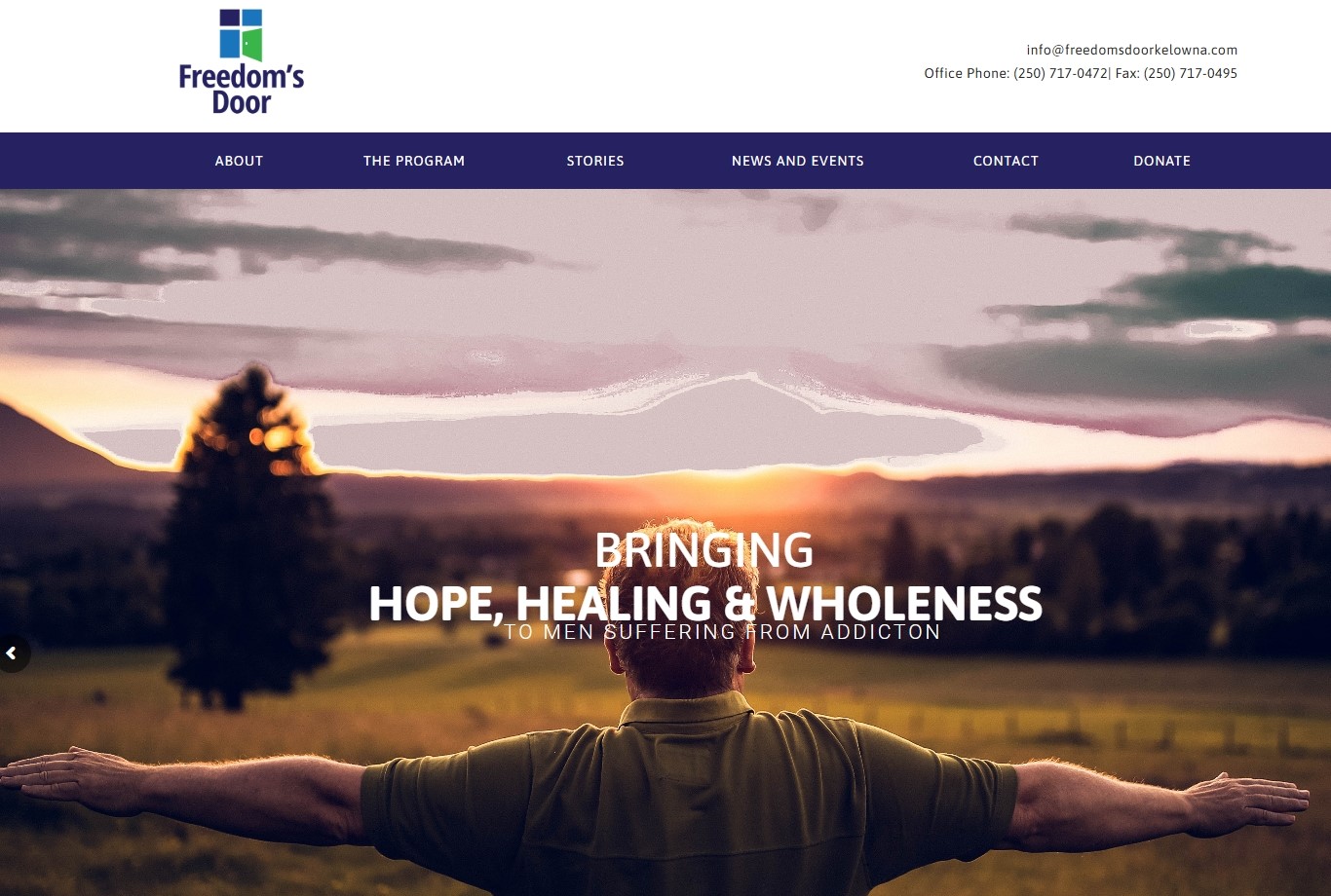
Freedom’s Door Kelowna: A Supportive Path to Lasting Sobriety
Introduction
In the realm of addiction recovery, a sense of community and fellowship can prove decisive in guiding individuals to lasting sobriety. Located in the heart of Kelowna, Freedom’s Door offers a compassionate, structured environment that emphasizes peer support, personal accountability, and faith-based principles. This 1,000-word overview delves into the facility’s unique approach, daily programs, and the powerful impact it has on men striving to rebuild their lives free from substance abuse.
A Nonprofit with a Mission
Freedom’s Door Kelowna operates as a nonprofit dedicated to helping men who are battling addiction. Its mission is to provide a safe, nurturing environment where residents can reestablish healthy habits and explore new ways of coping with life’s stressors. Many of the staff and volunteers have personal or familial experience with recovery, creating an empathetic atmosphere that resonates deeply with those in early sobriety.
Faith-Based Foundations
While anyone may participate in the program regardless of religious background, Freedom’s Door incorporates Christian teachings and values into its therapeutic framework. Daily devotions, group reflections, and spiritual mentorship often cultivate a renewed sense of hope and purpose. This faith-based aspect aims to strengthen participants’ resolve, helping them discover deeper motivations for staying sober and forging positive life changes.
Structured Living and Peer Support
Residents at Freedom’s Door benefit from structured group living that emphasizes shared responsibilities and mutual respect. This model allows participants to practice daily routines—such as cooking, cleaning, and following curfews—in a substance-free environment. The emphasis on teamwork fosters accountability: each resident learns to rely on the group for support, while also contributing to a healthier collective dynamic.
Programs and Services
Though different from a traditional clinical rehab, Freedom’s Door offers a variety of supportive services:
- Group Therapy: Facilitated by experienced counselors, group sessions provide a forum for residents to share successes, challenges, and coping strategies.
- Individual Counseling: Men can work one-on-one with addiction professionals to address trauma, mental health issues, and personal barriers to recovery.
- Life Skills Workshops: Workshops may cover topics like budgeting, resume writing, or stress management—tools that pave the way for a stable, drug-free lifestyle after graduation.
- Relapse Prevention: Education on triggers, strategies for avoiding cravings, and the significance of continued peer support all bolster long-term success.
Building Personal Accountability
One hallmark of Freedom’s Door is its steadfast commitment to accountability. Weekly check-ins, daily routines, and ongoing group interactions minimize the likelihood of returning to destructive behaviors. By openly discussing personal goals and setbacks, residents learn to acknowledge mistakes and proactively seek guidance from peers and mentors. This collective sense of responsibility also fosters trust—an essential element in any recovery environment.
Community Engagement
Freedom’s Door encourages residents to engage with the larger Kelowna community. Participating in volunteer programs, local events, or other social activities helps rebuild the confidence and interpersonal skills that addiction can erode. These experiences also expose residents to sober recreational opportunities, showcasing Kelowna’s natural beauty through hiking clubs, sports, and other group outings that reduce isolation and fill idle time productively.
Transitioning to Independent Living
The ultimate goal of any recovery program is to facilitate a successful return to daily life. Freedom’s Door offers structured exit planning that includes job placement assistance, connections to sober living options, and ongoing alumni support. Men who graduate from the program often stay connected to the community they’ve built, participating in group meetings or helping mentor newcomers. This cycle of mutual support helps sustain each individual’s resolve to remain substance-free.
Success Stories and Testimonials
Alumni frequently cite the strong sense of brotherhood and spiritual encouragement as instrumental in their sobriety. Many enter Freedom’s Door feeling isolated and hopeless, only to leave with renewed self-respect and practical tools for maintaining a sober lifestyle. The nonprofit’s grassroots nature and welcoming atmosphere can resonate especially well with those who are wary of formal inpatient settings or simply prefer a more community-focused model.
Addressing Co-Occurring Challenges
In many cases, substance abuse intersects with mental health conditions such as depression, anxiety, or PTSD. While Freedom’s Door is not a dedicated mental health clinic, it does collaborate with local healthcare providers for referrals and additional treatment as needed. Residents requiring more specialized care can receive guidance and support in navigating the broader health system, ensuring that co-occurring disorders do not go untreated.
Reflecting on the Approach
Every individual’s path to sobriety is unique, and no single program can meet every need. Yet Freedom’s Door demonstrates that a faith-oriented, community-living environment can powerfully transform lives, particularly for men who benefit from close-knit group support. By combining life skills training, spiritual nourishment, and peer accountability, the program addresses multiple facets of addiction recovery without losing sight of the individual’s personal journey.
Conclusion
Freedom’s Door Kelowna offers a compassionate and structured refuge for men seeking to break the cycle of addiction. Its faith-based ethos, emphasis on accountability, and robust sense of community create an environment where personal growth feels not only possible but inevitable. By coupling spiritual reflection with practical skill-building and peer support, Freedom’s Door equips residents with the mindset, habits, and relationships necessary for long-term sobriety. For those ready to embrace meaningful change, this nonprofit serves as a powerful springboard toward a brighter, substance-free future.